
Headache Relief in Lacey
 At Atlas Chiropractic PC, we see this all the time. Recurring headaches can take over your day, whether it’s pressure behind your eyes by afternoon or tightness at the base of your skull that won’t let up. When headaches become routine, it gets harder to focus, work, and enjoy time with the people around you.
Many chronic headaches trace back to the atlas (C1) and axis (C2), the vertebrae at the top of the spine that surround the brainstem. When the atlas shifts out of position, it can restrict blood flow to the brain, disrupt cerebrospinal fluid movement, compress nerves, and interfere with brain-to-body communication—often showing up as a headache that just won’t quit.
Why These Headaches Keep Coming Back
Upper cervical misalignments build gradually, often unnoticed until symptoms become hard to ignore. For many people, the cause traces back to everyday patterns or past injuries they may not have thought twice about:
- Hours hunched over a phone or computer
- Old injuries from sports, falls, or fender benders
- Tension that settles into the neck and shoulders
- Sleeping positions that twist or compress the neck
- Years of uncorrected posture habits
How These Headaches Tend to Feel
Tension headaches often feel like a tight band wrapping around the head, while cervicogenic headaches typically start at the base of the skull and radiate toward the forehead. Many people also notice neck stiffness, occasional dizziness, or a fatigued, foggy feeling that doesn’t lift with rest, especially when symptoms worsen with certain neck movements.
A Gentle, Precise Approach to Lasting Relief
Over time, many also notice improved sleep, better concentration, and reduced neck tension. See our lifestyle habits section below for ways to support your progress between visits.
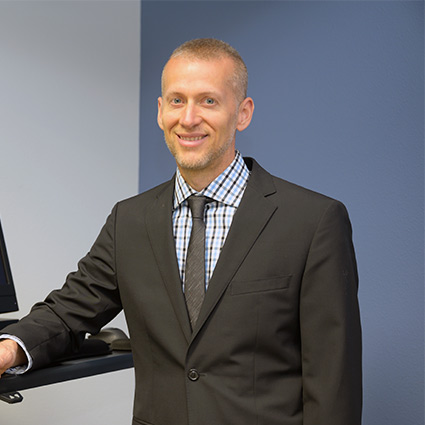
Meet Dr. Ryan Sweet
Lacey chiropractor Dr. Ryan Sweet has dedicated over two decades to upper cervical care. In 2004, he graduated with Honors from Life Chiropractic College West. He is Board-Certified in Atlas Orthogonal and holds memberships in the International Chiropractic Association and the Washington State Chiropractic Association.
Dr. Sweet’s focus on headache care is rooted in a deep understanding of how atlas misalignment affects the nervous system, and a commitment to helping practice members find lasting relief without medication.
Helpful Habits to Support Your Care
Chiropractic care works best when combined with habits that keep the spine and nervous system as stable as possible between visits. Small, consistent adjustments to your daily routine can make a meaningful difference in headache frequency.
- Move regularly to maintain spinal mobility and reduce the risk of misalignment
- Prioritize consistent, restorative sleep to reduce headache triggers
- Manage stress through healthy outlets like walking, stretching, or breathing exercises
- Avoid prolonged screen time without breaks; use ergonomic support to reduce neck strain
- Stay hydrated and eat nourishing foods to support overall neurological health
Frequently Asked Questions
Can a chiropractor help with headaches?
What types of headaches do you commonly see?
How do I know if my headaches are coming from my neck?
Do Atlas Orthogonal adjustments hurt?
A Different Path to Lasting Headache Relief
If headaches are getting in the way of work, family time, or your favorite activities, we’re here to help. Schedule a visit with us today and take the next step toward feeling your best.
